Temple Of Elemental Evil Map
In 1985, TSR published the module named “The Temple of Elemental Evil” with the module code “T1-4”. It was written by Gary Gygax and Frank Mentzer, and was published by TSR in 1979.
Temple Of Elemental Evil Gog
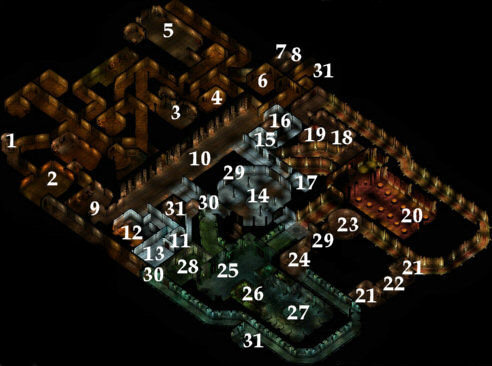
This is the current player handout map of the of the infamous Temple of Elemental Evil for the 3rd level. They still have to explore and find out the many surprises of the temple the good old fashioned way. For ToEE level 1 player's map. For ToEE level 2 player's map.
- The Temple of Elemental Evil is an adventure module for the fantasy role-playing game Dungeons & Dragons, set in the game's World of Greyhawk campaign setting. The module was published by TSR, Inc. In 1985 for the first edition Advanced Dungeons & Dragons rules.
- Other products tied into the Elemental Evil storyline include the Temple of Elemental Evil Adventure System Board Game and pre-painted collectible miniatures, both from WizKids Games. WizKids has also partnered with Perfect World Entertainment to bundle in-game items for Neverwinter with the Temple of Elemental Evil Adventure System Board Game.
T1-4 consisted of 128 pages, with 16 pages of maps. In addition to an extensive dungeon complex, the module provided guidance on expanding and creating additional levels and encounters for the adventure in the Elemental Nodes.

The module was generally very well received, and it was ranked as one of the top 4 Dungeons & Dragons adventures by Dragon Magazine In 2004.This conversion guide allows DMs to run the original module with 5 th Edition rules and provides a reference sheet for encounters.To use this conversion guide, you will need a copy of ', originally available in hard copy and now for sale in digital format at DMsGuild.com.' ' contains the OpenOffice/LibreOffice source files used to create the PDF.
Visit Classicmodulestoday.com for instructions on creating your own classic module conversions and selling them on the DMs Guild.What this Conversion Is, and What it Is Not:This conversion is for the original module, as it was written. Classic Modules Today conversions are designed to convert the magic items, monsters, traps, and other key statistics from the original module into 5th edition.
These guides set the adventure in the Forgotten Realms, and may offer some additional notes on running the adventure, or suggestions for extra encounters, but they are primarily conversions that are faithful to the original module.Per guidelines from One Book Shelf and Wizards of the Coast, we are not permitted to revise or reinvent these adventures; we may only convert the above elements over to their corresponding 5th Edition counterparts.For further information about using Classic Modules Today, see. Slow design a paradigm shift in design philosophy free.